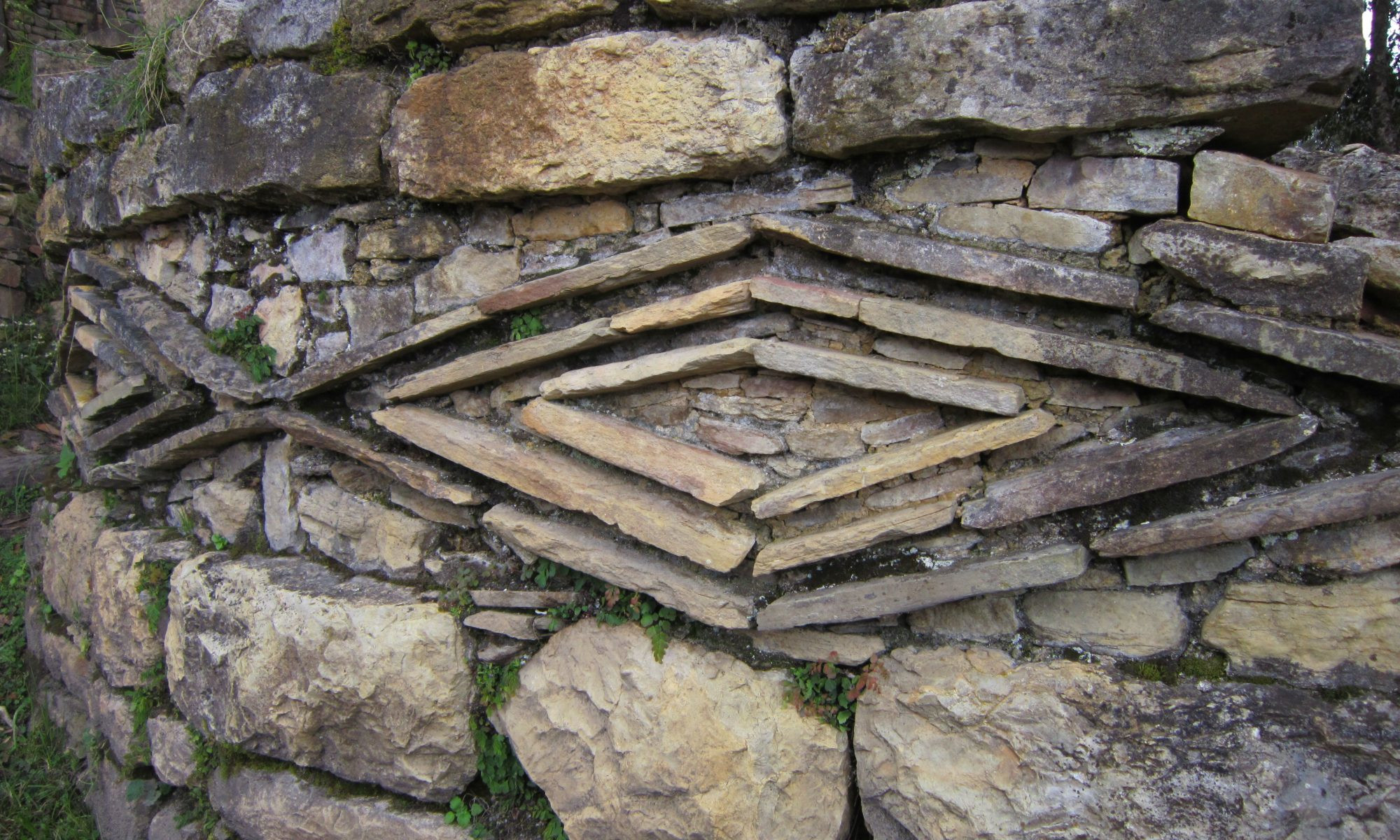
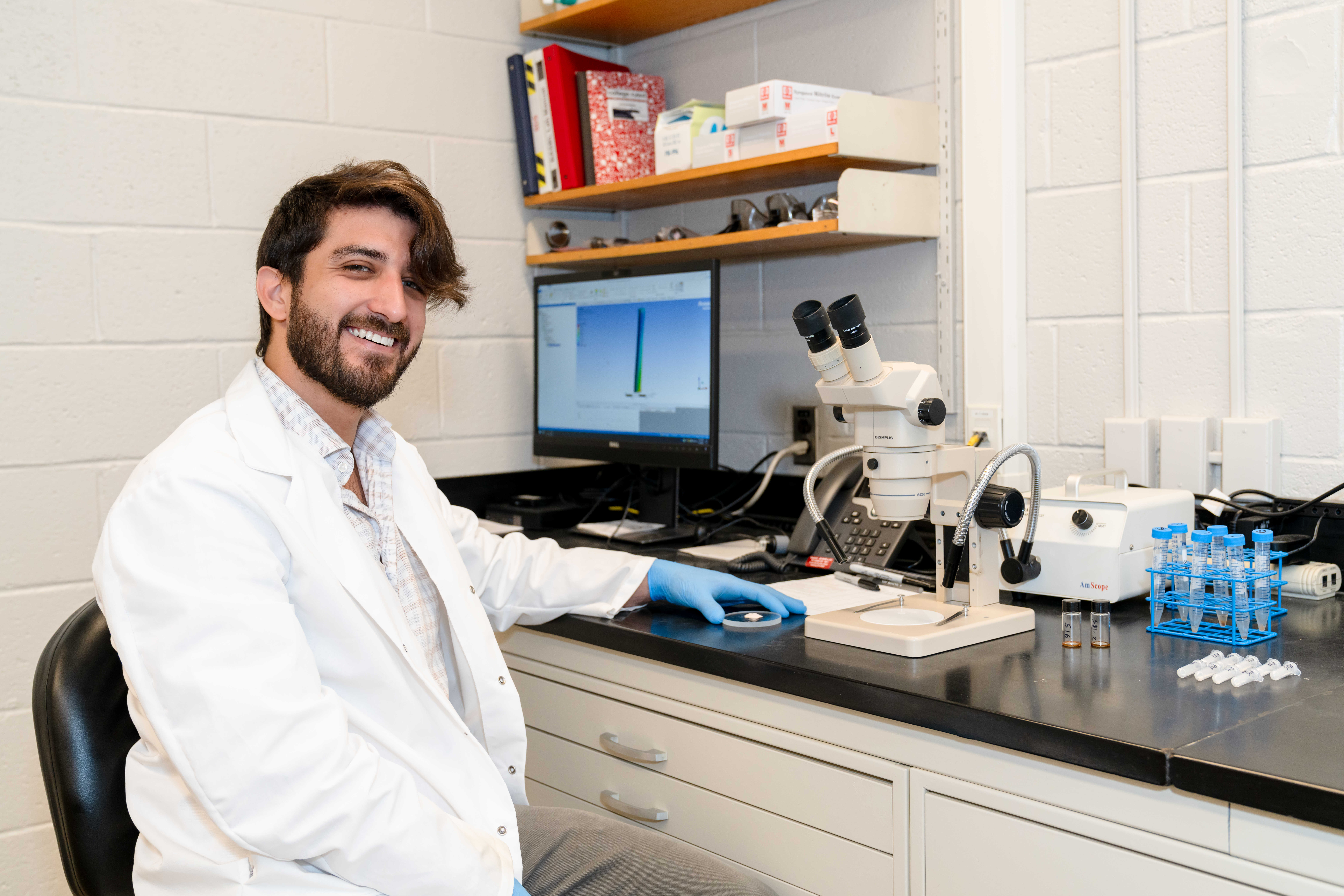
The Bioarchaeology and Skeletal Biology Laboratory (PI: Dr. Anzellini) applies technology and the physical sciences to the study of human remains, past and present. Research in the lab explores human health, diet, mobility, and social structure while advancing understanding of bone development and material adaptation.
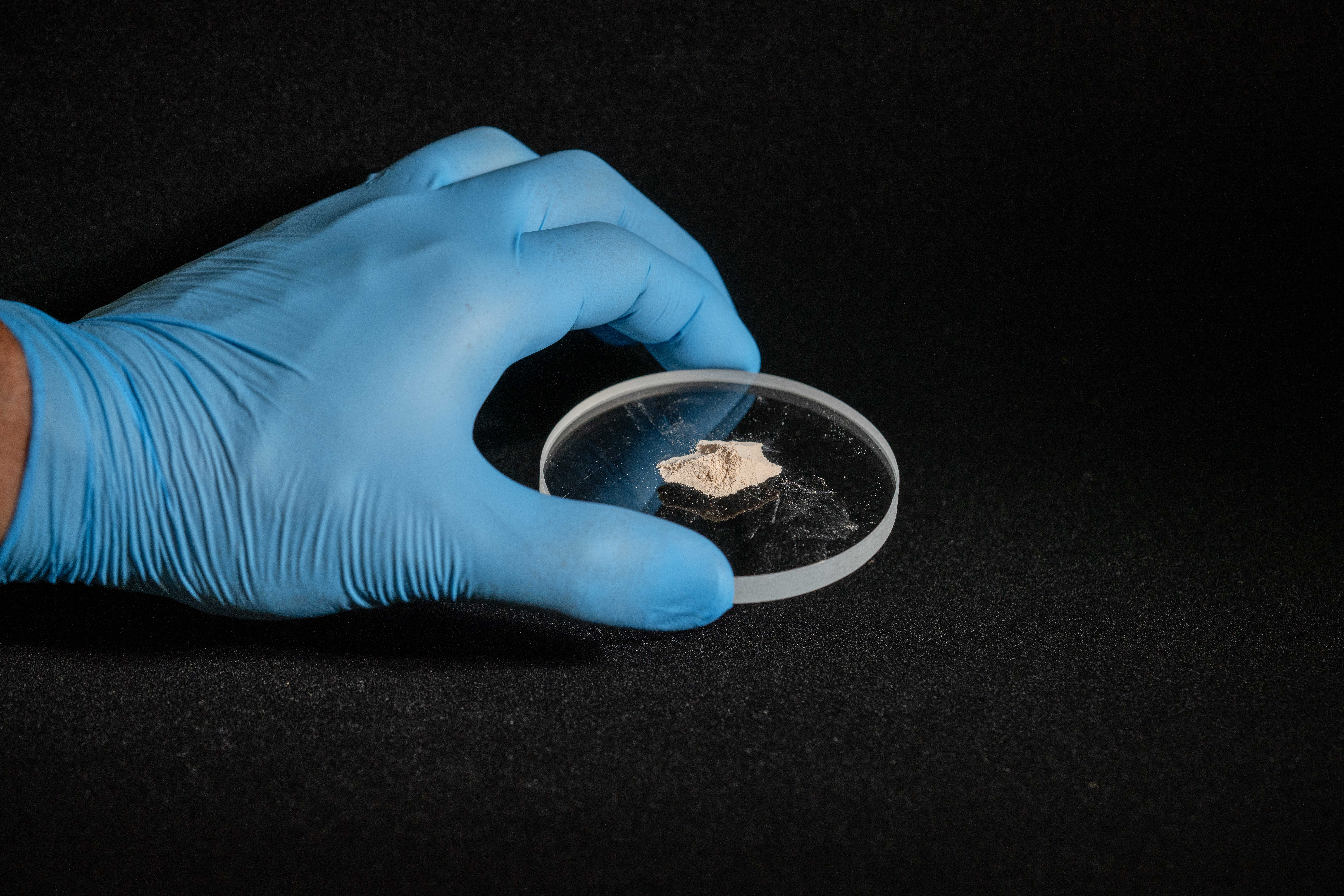
The lab has two primary foci: Bone Biochemistry and Biomechanics. We conduct isotopic analyses of nitrogen (δ15N), carbon (δ13C), and oxygen (δ18O) from both the mineral and organic fractions of bone to reconstruct diet, migration, and inequality in past societies.Spectroscopic methodsallow us to explore bone biochemistry beyond the stable isotopes with Raman Spectroscopy and ATR-FTIR, with the additional goal of developing potential proxies for destructive analyses and reducing the invasive footprint of bioarchaeological methods. To study biomechanics we use computational modeling, 3D modeling using Photogrammetry and conducting Finite Element Analysis, to examine how bone adapts to biomechanical loading and how age-related material changes affect skeletal geometry.
Stable Isotope & Biochemical Analysis
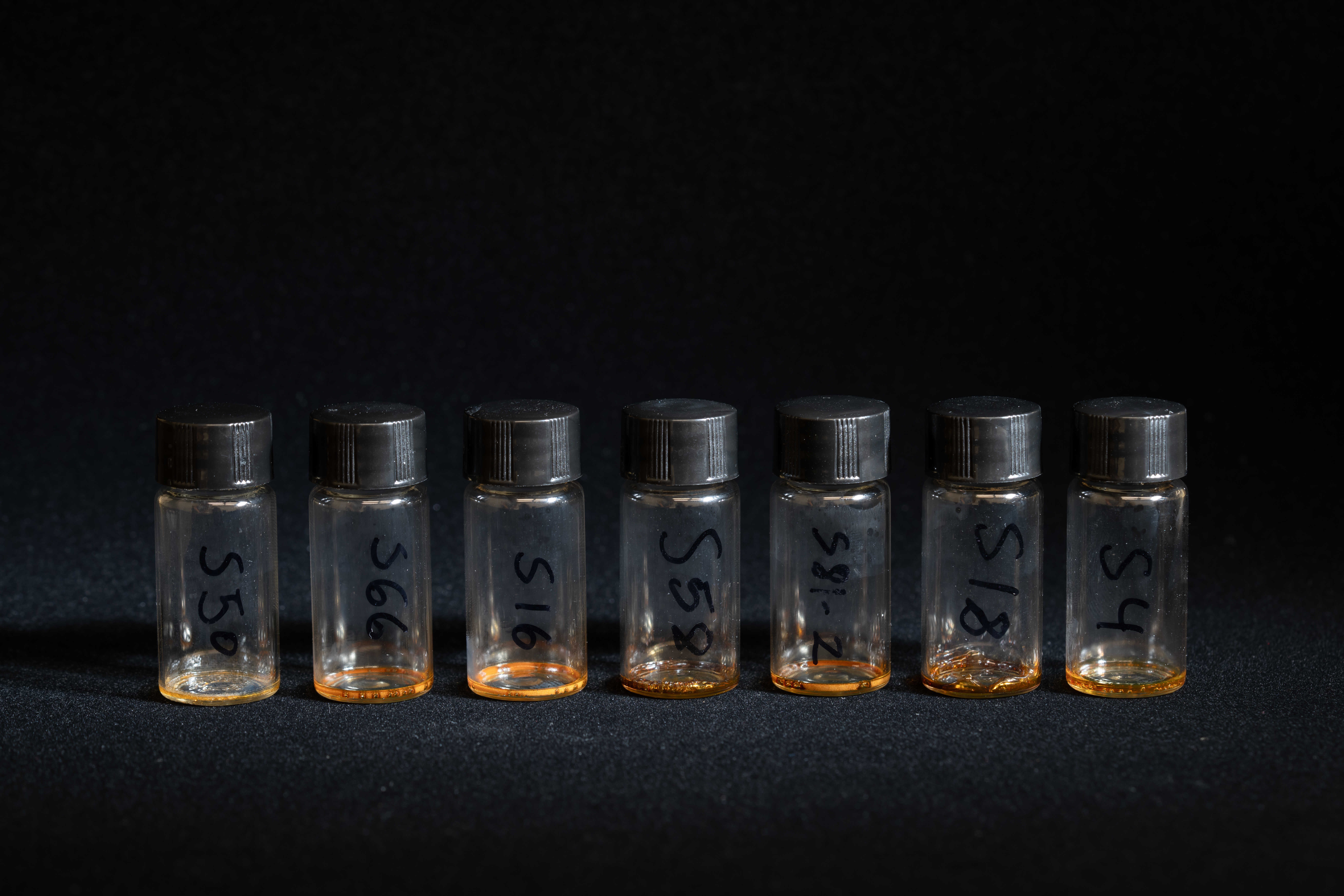
Nitrogen, carbon, and oxygen isotopes from bone collagen and mineral are used to reconstruct diet, weaning, migration, and social inequality. Raman spectroscopy (1064 nm) and ATR-FTIR provide complementary biochemical proxies to reduce reliance on destructive sampling.
Computational Skeletal Modeling
Finite Element Analysis (FEA) and photogrammetry are applied to study how bone geometry responds to biomechanical loading across the life course and how age-related material changes alter structural performance.
The lab welcomes undergraduate and graduate students interested in bioarchaeology, skeletal biology, spectroscopy, or computational methods. No prior experience is required — curiosity and commitment are.